If you were to ask a sales professional, “What did you do today?”, their answer would often focus more on the operational burden than the act of selling itself: responding to emails, updating the CRM, preparing proposals, researching companies, summarizing meeting notes, and planning next steps. In other words, a salesperson spends most of their day not on building customer relationships, but on the tasks that make sales possible yet slow down growth.
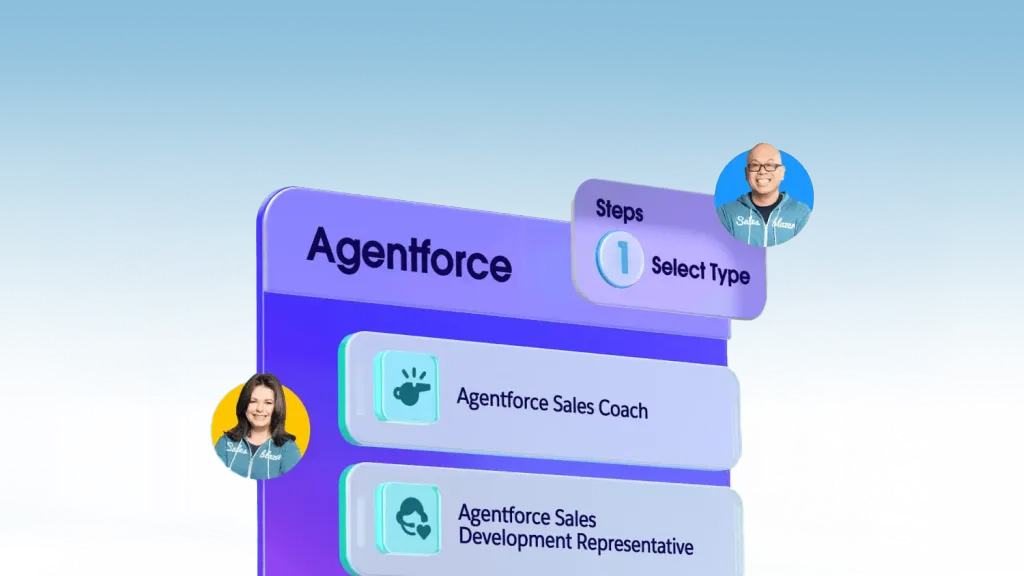
This is exactly where the problem lies. The most valuable resource for sales teams—time—is consumed by repetitive tasks such as research, coordination, data entry, and follow-ups. Salesforce’s Agentforce Sales approach aims to change this equation: not to replace the salesperson, but to reduce the operational load by creating a digital workforce that works alongside them. In Salesforce’s official narrative, this model is defined as a team of AI agents supporting every sales representative.
Agentforce Sales: Agents Working Within the Process, Not Outside It
What makes Agentforce Sales valuable is that it doesn’t sit on the sidelines like a traditional “assistant tool.” This architecture operates directly within the sales process. While the salesperson interacts with the customer, the agent works in the background—conducting research, compiling relevant data, contextualizing interactions, suggesting next steps, and accelerating the operational flow.
As a result, sales professionals can dedicate their time to customer relationships, needs analysis, and strategic decision-making instead of getting lost between screens. Salesforce positions Agentforce Sales as a structure that operates across different stages of the sales cycle, including prospecting, lead engagement, pipeline management, and account growth.
1. Prospecting Agent
At the start of the week, the sales rep defines the ideal customer profile in the system. The Prospecting Agent then scans the potential customer pool by gathering signals from the CRM, web, and third-party sources. It prioritizes leads and transforms them into an action-ready list. Instead of starting the day from scratch, the team focuses on high-potential accounts.
2. Engagement Agent
The generated list turns into action with the Engagement Agent. This agent can initiate the first contact with potential customers, answer incoming questions, and advance meeting scheduling when appropriate. This shifts the salesperson’s energy from coordination to high-value conversations.
3. Quoting Agent
When a customer nears a purchase, speed becomes critical. The Quoting Agent creates draft proposals by considering customer needs and the company’s approved pricing rules, matching relevant products, and preparing the necessary documentation. Sales reps spend their hours closing the deal strategically rather than formatting documents.
4. Pipeline Management Agent
One of the biggest burdens after every customer touchpoint is CRM updates and opportunity tracking. The Pipeline Management Agent analyzes opportunities based on notes, emails, calls, and meeting transcripts. It offers field update suggestions and points to the “next best action,” increasing pipeline visibility while reducing manual data entry.
The Big Picture: What Does Gained Time Really Mean?
The core objective isn’t just doing “less work”; it’s spending more time on high-value work. When research, data entry, and follow-ups are handled by agents, sales teams can focus on deepening relationships, managing risky opportunities better, and achieving strategic account-based growth.
However, this transformation doesn’t happen by itself. Success comes from redesigning the sales role and decision flows. The new generation of successful sales professionals will be those who can manage AI agents, question their suggestions, and make the final strategic call.
Inspark: Not Just a Tool, A New Sales Operating Model
Agentforce Sales offers a direct transformation model rather than just a productivity layer. Real value emerges when the entire sales flow—from prospecting to quoting—is reimagined with agents at the center.
AS Inspark, our approach starts exactly here. Our goal is not just the technical implementation of Agentforce, but designing your sales operations to fit this new working model. The future belongs to sales organizations that work smarter with AI.